Victorian terrace planting guide Golders Green Road gardeners tips
If you live on or near Golders Green Road, you probably know the charm of a Victorian terrace is matched only by its quirks: narrow front plots, patchy shade, busy pavements, brick that warms up fast in summer, and neighbours close enough to make every planting choice feel public. This Victorian terrace planting guide Golders Green Road gardeners tips article is built for that exact reality. You will find practical ideas for front gardens, small rear yards, boundary planting, pots, climbing plants, and low-maintenance decisions that still look thoughtful rather than thrown together. Truth be told, the best terrace planting is usually less about filling space and more about shaping it well.
Whether you want a softer frontage, more privacy, better year-round structure, or simply a garden that does not look tired by August, the approach is similar: work with the terrace architecture, the light, the soil, and the rhythm of the street. Small space? No problem. Victorian terraces often become the most attractive gardens on the road when the planting is calm, layered, and intentional.
Contents
- Why Victorian terrace planting guide Golders Green Road gardeners tips Matters
- How Victorian terrace planting guide Golders Green Road gardeners tips Works
- Key Benefits and Practical Advantages
- Who This Is For and When It Makes Sense
- Step-by-Step Guidance
- Expert Tips for Better Results
- Common Mistakes to Avoid
- Tools, Resources and Recommendations
- Law, Compliance, Standards, or Best Practice
- Options, Methods, or Comparison Table
- Case Study or Real-World Example
- Practical Checklist
- Conclusion
- Frequently Asked Questions
Why Victorian terrace planting guide Golders Green Road gardeners tips Matters
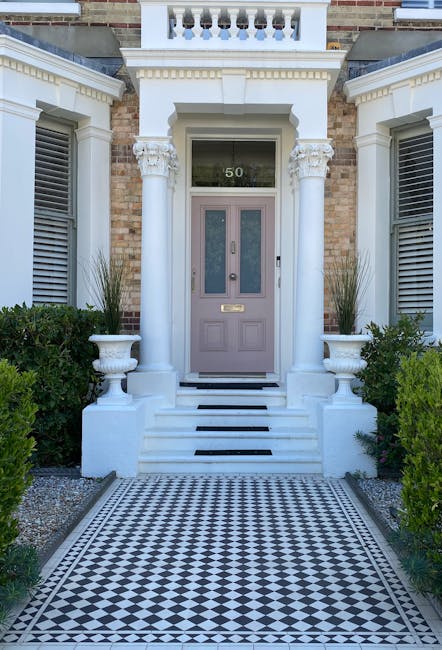
Victorian terraces were never designed with modern planting trends in mind. Many front gardens are compact, often bounded by low walls or railings, and exposed to urban conditions: reflected heat from paving, dry edges near brickwork, and occasional wind tunnel effects between houses. That means the wrong planting can look scruffy fast. The right planting, though, adds instant structure, privacy, softness, and a sense of care that suits the house style beautifully.
For Golders Green Road gardeners, this matters even more because the street context changes the design brief. Some plots will get generous morning light and bright afternoon glare. Others sit under mature street trees or feel shaded by neighbouring buildings. And let's face it, a terrace frontage is not just a garden; it is part of the property's face to the street. You are planting for yourself, yes, but also for the eye-level view from pavement and doorway.
Another reason this topic matters is cost efficiency. A well-planned terrace planting scheme reduces waste. You do not keep replacing plants that hate their position. You do not buy random extras because the space feels bare. You make a few strong decisions, then build around them. That is usually the difference between a garden that settles in and one that keeps needing rescue.
Expert summary: For Victorian terraces, the goal is not to cram in more plants. It is to create a balanced, resilient layout that suits the house, the light, and the pace of maintenance you can realistically keep up with.
How Victorian terrace planting guide Golders Green Road gardeners tips Works
The method is straightforward, though there are a few moving parts. You begin by reading the space properly: where the light falls, how wide the beds really are, where the soil dries out, and what the garden needs to do. Do you want screening? Pollinator interest? A neat low-maintenance front? A private side return that still feels green? Once the purpose is clear, the planting choices become much easier.
In a Victorian terrace, planting usually works best in layers. Think in terms of height and repetition rather than isolated specimens. Low edging plants or groundcover at the front, medium shrubs or perennials in the middle, and vertical accents such as climbers, slender shrubs, or a tree-form feature towards the back. This keeps the garden from feeling flat. It also helps a small space look larger, because the eye moves through it rather than stopping at one visual wall.
You also need to think in seasons. A terrace garden in Golders Green should not only look good for six weeks in spring. It should have evergreen structure, summer flowering, autumn colour, and something decent to look at in winter. That does not mean constant bloom, by the way. It means good bones. Evergreen shrubs, structured grasses, clipped forms, and a few reliable flowering plants can carry the design through the year without looking overly busy.
So how does it all connect? Light level first, then soil, then function, then style. If you get that order right, the rest is pleasantly ordinary. If you reverse it and buy plants because they looked nice in a photo, you may end up with thirsty, leggy, sulking little things. Plants do that. They have opinions.
Key Benefits and Practical Advantages
A strong terrace planting scheme does more than look pretty. It solves everyday problems in a way that feels effortless once established.
- Improved kerb appeal: A thoughtful frontage makes a Victorian terrace look cared for, balanced, and welcoming.
- More privacy: Carefully placed shrubs, climbers, and screen planting can soften views from the street without making the garden feel boxed in.
- Better space use: Layered planting makes narrow plots feel deeper and more complete.
- Lower maintenance over time: Good plant selection reduces watering stress, pruning mistakes, and replacement costs.
- Seasonal interest: A mix of structure, foliage, flowers, and texture keeps the garden attractive year-round.
- Microclimate control: Plants can soften heat, dry edges, and harsh reflections from brick and paving.
- Property character: Victorian terraces suit planting that echoes their proportions rather than fighting them.
One practical advantage people often overlook is how planting changes the feel of arriving home. A clipped bay by the gate, lavender brushing the path, or a jasmine scent near the doorway on a warm evening can make the whole place feel calmer. Not dramatic. Just better. And honestly, that matters after a long day in London traffic.
Who This Is For and When It Makes Sense
This guide is for homeowners, renters with permission, and landlords who want to improve a Victorian terrace without turning it into a complicated project. It is especially useful if you have a narrow front garden, a courtyard-style rear space, or a shared boundary that needs careful handling.
It also makes sense if any of the following sound familiar:
- Your garden feels too exposed from the street.
- Plants keep failing because the space is shadier or drier than expected.
- You want a neat look without constant weekend upkeep.
- The garden looks flat in winter and overgrown by midsummer.
- You are trying to improve the house frontage before selling or letting.
- You want to replace tired bedding with something more lasting.
There is a point where DIY planting is enough, and a point where a little planning help saves time and money. If the space is awkward, if drainage is poor, or if several mature plants already need reshaping, bringing in professional support can be a sensible move. Services such as landscape gardening or a regular garden maintenance visit may be more cost-effective than repeated guesswork.
Step-by-Step Guidance
1) Start with light, soil, and space
Walk the garden at different times of day. Morning light can be gentle and useful for many plants, while afternoon sun may be stronger than expected, especially against brick. Notice shaded corners, windy spots, and areas that dry out after rain. If the soil feels heavy and sticky, drainage may need attention. If it is sandy and loose, moisture retention becomes the bigger issue.
Do a simple measuring pass too. In terrace gardens, even a few inches matter. A shrub that looks "compact" in a nursery pot can become a real obstacle if the border is only 45cm deep. It happens all the time.
2) Decide the job of each area
Give every section a purpose. A front garden might need structure and approachability. A rear yard might need privacy and softness. A side return could need a vertical green wall effect. If you know the job, plant choices become easier and more disciplined.
3) Build a structure before adding detail
Start with the bigger elements: one or two anchor shrubs, perhaps a small ornamental tree where space allows, then climbers, and finally the softer lower planting. In a Victorian terrace, structure carries the design when flowers are not in season. Think evergreen shapes, clipped mounds, and repeating forms.
4) Choose plants that tolerate the actual conditions
For exposed sunny spots, look for drought-tolerant options that do not need constant fussing. For shade, pick reliable foliage plants that keep their form even when flowering is limited. In mixed situations, choose versatile plants that cope with urban conditions. The best-looking garden is often the one that quietly suits the site rather than trying too hard.
5) Repeat, don't clutter
Three or five of the same plant will usually look better than one each of ten different kinds. Repetition brings calm. Clutter brings visual noise. In a terrace plot, where every meter is visible from the house and the street, calm usually wins.
6) Mulch, water, then observe
After planting, water deeply and mulch the soil to slow evaporation. Then watch what happens over a few weeks. You will learn more from one month of observation than from an afternoon of optimistic buying. The first summer tells the truth, as gardeners say with a sigh.
Expert Tips for Better Results
Here is where a bit of real-world judgement makes a difference.
- Use evergreen bones sparingly but strategically. One or two strong evergreens can hold a whole front garden together.
- Choose plants with a useful shape. Rounded, upright, or arching forms all change how a narrow terrace feels.
- Keep the tallest planting toward the rear or edges. This preserves light and prevents the garden from feeling compressed.
- Mix leaf texture, not just flower colour. Fine leaves beside broad leaves often look richer than a sea of similar shapes.
- Think about view lines from the front window. If the planting looks good from indoors on a rainy Tuesday, you have probably got it right.
- Allow access for pruning. Gorgeous plants are not much use if they block the path or lean into the gate every six weeks.
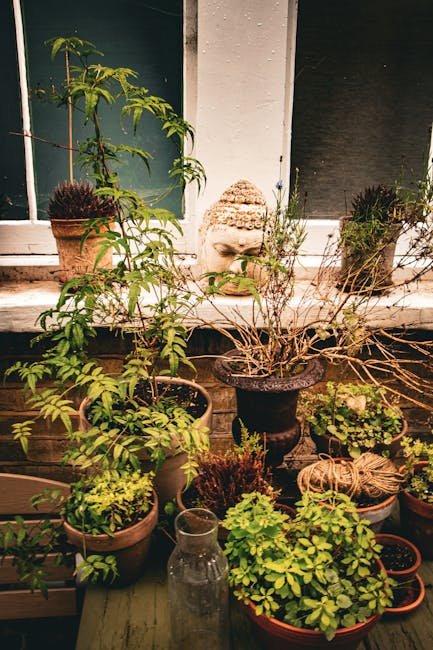
One small but useful trick: use container planting to test a style before committing to a bed. A pot can introduce a shape, colour, or height without forcing a permanent decision. If it works, great. If not, no drama. Move it. Gardens are allowed to be adjusted, not just endured.
For a more sheltered and layered effect, you may also find ideas in the article on placing tall potted plants around your yard, especially if your terrace needs privacy without hard screening.
Common Mistakes to Avoid
Most terrace planting problems are not caused by bad intentions. They come from overpacking, under-planning, or choosing for the nursery shelf rather than the actual site.
- Overcrowding the border: Small spaces do not benefit from too many plants. They need restraint.
- Ignoring mature size: A neat little shrub can become a bulky obstacle fast.
- Forgetting winter shape: A garden that only looks good in June is not really finished.
- Using thirsty plants in dry urban spots: This creates constant frustration unless you have a strong watering routine.
- Mixing too many styles: Formal terrace fronts usually work better with a clear design language.
- Leaving soil bare: Bare soil dries out quickly and often looks unfinished.
- Planting too close to brickwork without thinking ahead: Roots, shade, and access all matter.
There is also a subtle mistake that catches people out: choosing plants only by flower colour. Nice in the moment, yes. But if the flowering window is short and the foliage is forgettable, the garden will spend most of the year looking average. Better to think in layers of value, not one flashy moment.
Tools, Resources and Recommendations
You do not need a van full of kit to improve a Victorian terrace garden. A sensible toolkit is usually enough.
| Item | Why it helps | Best use |
|---|---|---|
| Border spade | Good for shaping small beds and lifting compacted soil | Reworking front borders or courtyard edges |
| Hand fork and trowel | Useful for close planting and light weeding | Containers, edging, and tight spaces |
| Secateurs | Keeps shrubs neat and healthy | Routine pruning and deadheading |
| Watering can or hose with gentle attachment | Helps establish new plants without washing away soil | First few weeks after planting |
| Organic mulch | Retains moisture and improves soil condition | Spring and early summer topping up |
| Compost or soil improver | Improves planting conditions in tired beds | Before planting and seasonal refresh |
In terms of services, some gardens need a reset before planting begins. That may involve garden clearance to remove debris and old growth, or hedge trimming to restore light and shape before you plant underneath. If you are thinking bigger and want to redesign the whole outdoor space, landscaping can give the site a cleaner long-term structure.
For ongoing upkeep, many terrace owners prefer a lighter recurring approach rather than seasonal panic. A tidy baseline makes planting look better straight away. No mystery there, really.
Law, Compliance, Standards, or Best Practice
Most planting work in a domestic terrace garden is straightforward, but there are a few best-practice points worth keeping in mind. If your property sits within a shared boundary or near a pavement, avoid planting in a way that blocks access, creates a trip hazard, or causes overgrowth onto neighbouring land. In practical terms, that means allowing enough room for path clearance and pruning access from your side where possible.
If you are altering walls, railings, or hard edges, check whether any permissions or neighbour agreements are needed before changing boundary structures. For trees, be cautious about root spread, eventual height, and proximity to buildings, drains, and walls. It is not about being overly cautious for the sake of it; it is about avoiding a headache later.
For larger jobs, it is sensible to work with businesses that can explain their approach to safety, insurance, and site care clearly. Pages such as insurance and safety and health and safety policy are useful signals that a provider thinks beyond the planting itself. If you care about where green waste goes, recycling and reuse matter too, so a responsible recycling and sustainability approach is worth asking about.
That said, most domestic planting decisions come down to common sense: choose suitable species, plant at the right depth, water correctly, and do not overcrowd. Good gardening still beats flashy gardening.
Options, Methods, or Comparison Table
If you are deciding how to approach a Victorian terrace garden, this comparison may help. The right method depends on how much time you have, how much privacy you need, and whether you want a formal or relaxed finish.
| Approach | Best for | Pros | Watch-outs |
|---|---|---|---|
| Formal clipped planting | Front gardens and classic terrace facades | Neat, timeless, strong kerb appeal | Needs regular trimming |
| Mixed perennial border | Softening a small rear garden | Seasonal interest, more natural feel | Can look messy if overcrowded |
| Evergreen structure with containers | Low-maintenance living and flexible styling | Easier to adjust, useful in tight spaces | Requires watering and feeding |
| Climber-led design | Privacy screens, walls, and narrow plots | Vertical impact without using much ground space | Needs support and pruning |
For many Golders Green Road terraces, a blended method works best. A little structure, a little softness, and one vertical feature often gives the most balanced result. Purely formal can feel stiff. Purely loose can get chaotic. The sweet spot is usually somewhere in the middle.
Case Study or Real-World Example
Here is a realistic example from a typical Victorian terrace scenario. A homeowner had a narrow front garden that looked bare in winter and overcrowded by late summer. The soil was dry near the wall, the central bed had one tired shrub doing far too much emotional labour, and the frontage felt disconnected from the house.
The solution was simple rather than dramatic. The old central shrub was removed, the bed was improved with compost, and the layout was rebuilt around three repeating elements: a pair of compact evergreen shrubs for structure, a low flowering border for seasonal colour, and a climber trained neatly along the wall. A few container accents near the doorway softened the geometry without blocking the path.
Within one season, the frontage looked calmer and more intentional. It did not become a show garden. It became better. That was the point. The owner also found maintenance easier because each plant had a job, and none of them were fighting for the same space.
That kind of result is common when the design fits the terrace rather than trying to impress it into something else. Small garden, clear purpose, sensible planting. Boring? Maybe a little. Effective? Absolutely.
Practical Checklist
Use this checklist before you buy plants or start digging.
- Measure the garden or border width accurately.
- Note sun, shade, and wind through the day.
- Check soil texture and drainage.
- Decide the main job of the space: privacy, curb appeal, softness, colour, or low maintenance.
- Choose at least one structural evergreen element.
- Repeat plants for rhythm instead of adding too many varieties.
- Allow enough room for mature spread and pruning access.
- Mulch after planting to retain moisture.
- Use containers only where they genuinely help the layout.
- Plan for winter appearance, not just summer bloom.
- Make sure access paths and gateways stay clear.
- Set a realistic maintenance schedule you will actually keep.
If you can tick most of these off, you are already ahead of many terrace gardens. Really. A thoughtful half-day of planning often saves several seasons of frustration.
Get a free quote today and see how much you can save.
Conclusion
A Victorian terrace planting guide for Golders Green Road gardeners tips boils down to one principle: respect the architecture, then let the planting do its quiet work. In a compact London terrace, the best gardens usually feel calm, layered, and resilient rather than busy or over-designed. You want plants that suit the light, suit the scale, and suit your life. That is what lasts.
If you are starting from scratch, begin with structure and conditions. If you are improving an existing garden, remove what is not working before adding more. And if you are short on time, keep it simple. A few well-chosen plants, properly placed, can do more than a crowded border full of compromises.
There is something satisfying about getting a terrace garden right. You notice it in the evening light, in the way the frontage frames the house, and in the quiet feeling that the space finally makes sense. Small garden, yes. Small impact? Not at all.
Frequently Asked Questions
What plants work best in a Victorian terrace garden in Golders Green?
The best plants depend on light, soil, and how much maintenance you want. In many terrace gardens, compact evergreens, shade-tolerant perennials, climbers, and drought-aware plants perform well because they cope with urban conditions and tight spaces.
How do I make a narrow terrace garden look bigger?
Use repetition, layered planting, and a clear structure. Avoid clutter, keep taller plants toward the back or edges, and leave some breathing room. That little bit of space helps the garden feel deeper and calmer.
What is the easiest low-maintenance planting style for a Victorian terrace?
A mix of evergreen structure, mulch, and a few reliable perennials is often the easiest route. Containers can help too, but they do need watering. Low-maintenance does not mean no-maintenance, unfortunately.
Should I choose formal or informal planting for a terrace frontage?
Formal planting usually suits the architecture of a Victorian terrace very well, especially at the front. Informal planting can work in rear gardens, but too much looseness at the front can look messy against a strong period facade.
How much privacy can planting realistically give?
Planting can soften views and create a more private feel, especially with climbers, shrubs, and tall pots. It usually works best as layered screening rather than a single dense wall of greenery.
When is the best time to plant a terrace garden in London?
Spring and autumn are often the most forgiving times because soil moisture and temperatures help plants settle. That said, planting can still work at other times if you are careful with watering and avoid heat stress.
Do I need professional help for a small terrace garden?
Not always. If the space is straightforward, many homeowners can handle it themselves. But if the garden has poor drainage, awkward shade, overgrown boundaries, or a full redesign is needed, professional help can save time and avoid costly mistakes.
How do I stop terrace planting from looking overcrowded?
Limit the number of plant types, repeat key species, and check mature sizes before buying. It helps to think in layers and leave some negative space rather than filling every gap immediately.
Can I mix pots and in-ground planting in a terrace garden?
Yes, and in many small gardens that is the best approach. Pots add flexibility and height, while in-ground planting gives permanence and structure. The trick is making them feel like one design, not separate ideas.
What should I do first if my terrace garden feels tired?
Clear out the dead or failing material, improve the soil, and reset the structure before buying new plants. A bit of garden clearance and a sensible plan usually make the biggest difference straight away.
How often should terrace plants be maintained?
It depends on the style, but most terrace gardens benefit from light attention every week or two in the growing season. Pruning, watering, and tidying little and often is far easier than a huge catch-up job later.
What kind of help can I get if I want the garden designed and maintained properly?
You can look at services such as services overview to understand the available options, or browse pricing and quotes if you are comparing support levels. For a straightforward first conversation, contact us is the practical next step.
Is sustainability important in terrace planting?
Yes, especially in a small urban garden where every choice counts. Choosing long-lived plants, reusing pots where sensible, improving soil health, and managing waste responsibly all help the garden perform better over time.